Classical Texts·One Teacher, One Archive·Daoist Wellness·Modern Measurement
Chinese Medicine Classics · Wellness Practice · Modern MeasurementChinese Medicine ClassicsBack to the textWellness in Daily LifeBack to daily lifeModern Health MetricsBack to the data
Excess yang brings heat · Excess yin brings cold
Let the classics speak through their original words and the body speak through data. Nothing here is built on wellness slogans: material is included only when it has a source, nothing is invented, and uncertain passages are clearly marked
Six-Meridian Pattern Differentiation from the Shang Han Lun
15 sec
Prysm iO skin carotenoid scan
01 / Entry
Return to the classics before discussing methods
Four connected paths: read the original text, hear how a teacher explains it, test understanding through questions, then use modern measurement to observe changes in daily life
Prysm iO Consumer Edition is $299 and can be used at home anytime. A weekly scan for the whole family helps track changes in Skin Carotenoid Score (SCS) over time
15seconds to a score
Blood test
Prysm iO
Fast for 12 hours and visit a collection site
Place a finger and get a score in 15 seconds
Wait 7–10 days for results
Scan the family weekly and follow long-term trends
Spectrum · Data · Leaf veinsA laboratory in an Eastern visual language
“Include only what can be sourced; never invent what cannot”
Editorial principle
One
Original text first
Six-Meridian material returns to the clauses and outlines of the Shang Han Lun rather than presenting later interpretations as Zhang Zhongjing’s intent
Two
One teacher, one archive
Each teacher has an independent archive, without blended quotations or stitched-together claims, so different views can later be compared side by side
Three
Uncertainty stays visible
Unclear transcription and terminology are explicitly marked rather than concealed by polished prose
Four
Education only
This site supports classical study and general health education. It does not diagnose, prescribe or replace medical advice
03 / About
Eileen Li: serious about sources
A PhD in computer vision bringing research habits of traceability into classical study: original text returns to its clauses, viewpoints cite episode numbers, and measurement claims stay within verified wording
Eileen Li Seal
ABOUT EILEEN
Eileen Li
PhD in Computer Vision · Curator of Classical Study
I am not a licensed practitioner of Chinese medicine. This site is limited to classical study, wellness education and general health information
This site begins with three kinds of patient work: clarifying the Six-Meridian framework, organizing each teacher’s course episode by episode, and verifying claims about modern measurement. AI Q&A comes only after those foundations—a fluent answer is meaningless if its knowledge base is unreliable
“Secure the source before offering an interpretation”
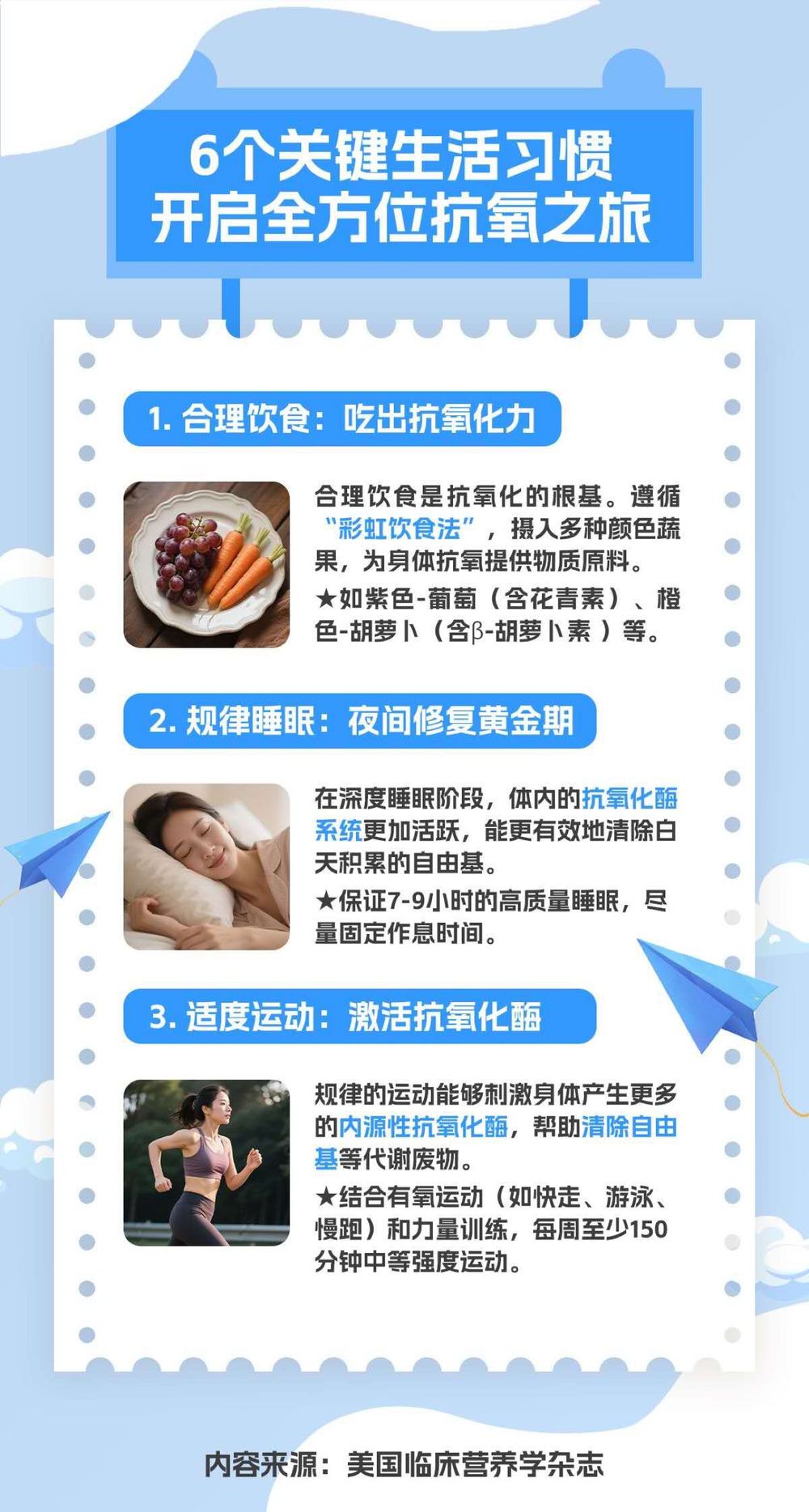
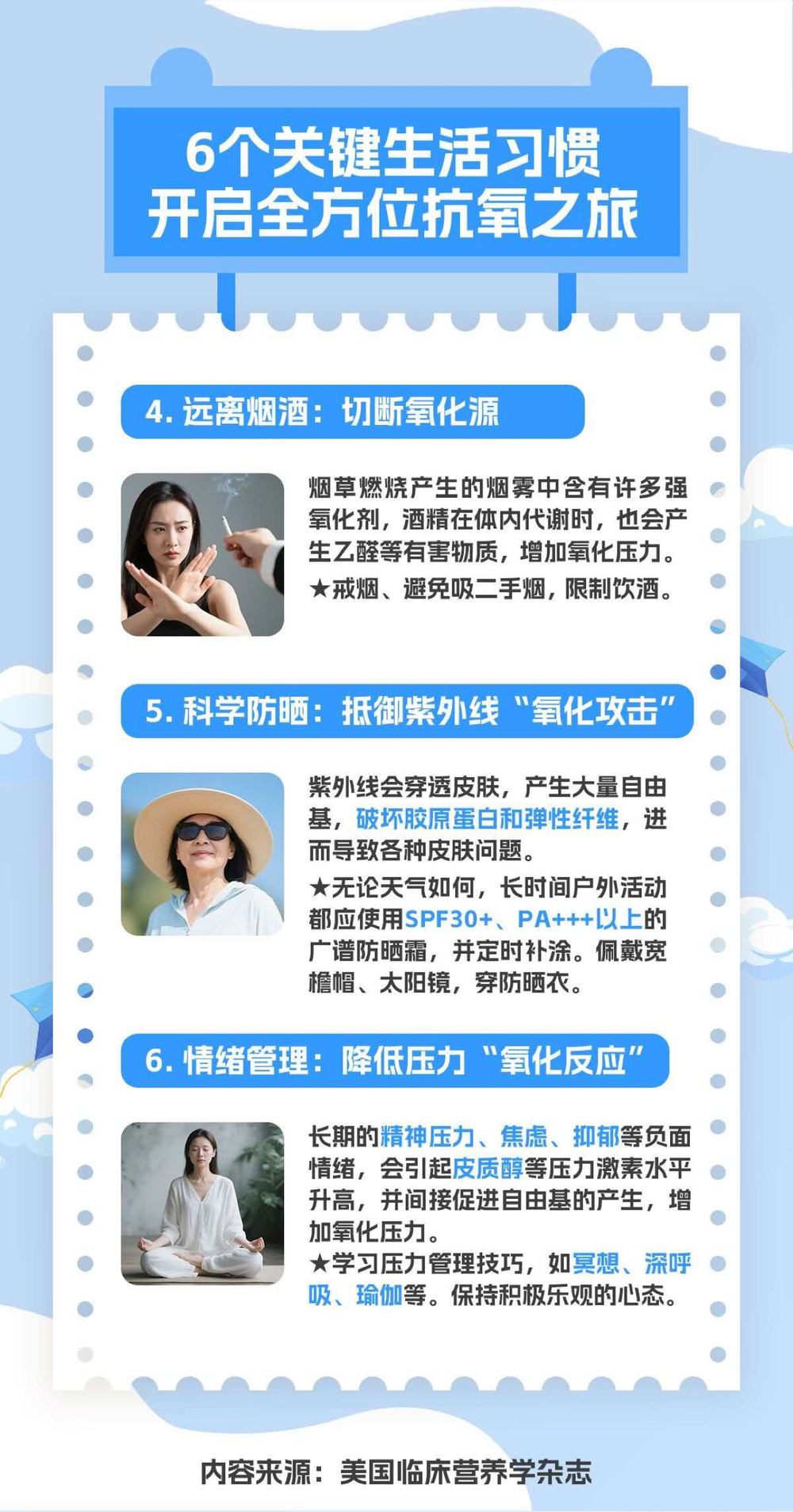
Live with the seasons: food, rest, movement and emotional life, automatically presented for the current solar term
I · Classical Framework
Begin with the structure of the Six Meridians
The Six Meridians are not six symptom labels but a framework for observing disease location, nature and transmission. Read the outline clauses before the detailed clauses, and distinguish the levels before discussing formula patterns
Choose a meridian to view its original outline clause, key terms and study notes. This is a framework for learning, not a tool for self-diagnosis
First Meridian · Exterior Yang
Taiyang
“In Taiyang disease, the pulse is floating, the head and nape are stiff and painful, and there is aversion to cold”
Pattern differentiation essentials
Study notes
Source: Six-Meridian outline clauses in the Shang Han Lun. This study guide does not constitute diagnosis or prescribing advice
02 / How to Read
From outlines to clauses
The common trap in reading the Shang Han Lun is memorizing formulas first. Establish the coordinates before entering the details so the clauses remain connected
Step one
Read the outline first
Use each meridian’s outline to grasp disease location and overall direction before studying its details
Step two
Then read the clauses
Place each clause under its outline and distinguish primary, accompanying and transformed patterns and transmission rather than isolating quotations
Step three
Match formulas to patterns
A formula is not merely something to memorize; it follows from the logic of the clauses. Understand the pattern before the formula
Step four
Return to daily observation
Record changes in temperature, sweating, sleep, diet, urination and bowel movements as observations for study, not as a basis for self-diagnosis
Boundaries
This site provides no clinical diagnosis or prescribing service. Seek prompt medical care for persistent high fever, altered consciousness, chest pain, difficulty breathing, severe dehydration or other urgent symptoms
II · One Teacher, One Archive
Keep each teacher’s archive distinct
Each teacher has a separate archive, preserving original lessons, transcripts, terminology review and source notes in their own line. Comparisons begin with each view’s evidence rather than blending distinct systems
语音自动转写经语义校对,并对照人纪书稿做了第二轮定稿,仍有少量存疑未定,引用请核对原音。
Auto-transcribed speech, semantically proofread and finalized against the Ren Ji manuscript in a second pass; a few uncertain passages remain—verify against the original audio before quoting.
This archive holds one teacher only—Ni Haixia—and three works: the 91-episode Huangdi Neijing course, the five Ren Ji manuscripts and the 24-episode Tian Ji course. The cards below outline each work and its status; tap one to jump to it. Every work is organized episode by episode and entry by entry, with sources cited and full-text search.
A searchable archive built from the 91-episode course. Eighty episodes are indexed; search returns matching episode numbers and short Chinese transcript excerpts rather than publishing full transcripts. Eleven episodes will be updated after their audio is recovered.
80已收录 / Indexed
12待更新 / Update pending
91集数目录 / Episode index
当前状态Current status可按中文关键词检索 80 集转写稿;01、10、19、28、37、46、55、64、73、80、87 集待更新。Chinese keyword search is available across 80 transcripts. Episodes 01, 10, 19, 28, 37, 46, 55, 64, 73, 80 and 87 are pending.
阴阳Yin and yang藏象Zangxiang theory经络Channels and collaterals四时养生Seasonal wellness原文校订Textual editing存疑标记Uncertainty markers
可问可查 · SEARCH THE ARCHIVE
在 80 集转写稿中查关键词
输入中文词语,例如“失眠”或“阳明”。结果按相关集数列出原文片段并注明出处,不展示整集全文。
80 集已收录 · 11 集待更新中文检索 · Chinese only
请输入关键词开始检索。
01–91 · COURSE INDEX
集数目录 / Episode index
已收录 / Indexed待更新 / Update pending
人同档 · 人纪Same Archive · Ren Ji
同档第二部 / 针灸、本草、伤寒、金匮已上线Second Work, Same Archive / Four Volumes Live
Ren Ji is Ni Haixia’s manuscript series, setting the courses down in writing: acupuncture, materia medica, Shang Han, Jin Gui and Nei Jing. The originals are archived with complete text; searchable on-site editions are prepared volume by volume; Acupuncture, Materia Medica, Shang Han and Jin Gui are now live, and Nei Jing is cross-referenced with the 91-episode course rather than issued separately.
5部书稿 / Volumes
2个系列 / Series(人纪 · 倪注)
4部已上线 / Live(针灸 · 本草 · 伤寒 · 金匮)
当前状态Current status《针灸》47 条、《本草》403 条、《伤寒》125 条、《金匮》318 条已上线可检索;《内经》与《黄帝内经》课程互参。另有「倪注」系列(内经、本草、伤寒、金匮)与方剂讲解等一并归档,随各部整理时并入。Acupuncture (47 entries), Materia Medica (403), Shang Han (125) and Jin Gui (318) are live and searchable; Nei Jing is cross-referenced with the Huangdi Neijing course. The annotated “Ni Zhu” series (Nei Jing, materia medica, Shang Han, Jin Gui) and formula lectures are archived alongside and will be folded in as each volume is prepared.
Tian Ji is Ni Haixia’s course on heaven, humanity and earth: reading heaven (Zi Wei Dou Shu, Yi Jing chart reading, physiognomy), reading earth (yang-house feng shui) and the human way (Yi Jing). All 24 episodes are indexed; search returns matching episode numbers and short Chinese excerpts rather than full transcripts. This archive is a study reference for traditional culture only: it organizes course content, offers no personal readings and promises no change of fortune.
24已收录 / Indexed
24集数目录 / Episode index
3天 · 地 · 人 / Heaven · Earth · Human
当前状态Current status24 集全部收录,可按中文关键词检索。第 1–8 集据课程字幕整理;第 9–24 集为语音自动转写,命理术语可能有错字,引用请核对原音。All 24 episodes are indexed for Chinese keyword search. Episodes 1–8 come from course subtitles; episodes 9–24 are auto-transcribed, so some technical terms may contain errors—verify against the original audio before quoting.
紫微斗数Zi Wei Dou Shu易经Yi Jing阳宅风水Yang-house feng shui面相Physiognomy只作学习参考Study reference only
可问可查 · SEARCH THE ARCHIVE
在《天纪》24 集转写稿中查关键词
输入中文词语,例如“紫微”或“阳宅”。结果按相关集数列出原文片段并注明出处,不展示整集全文。
24 集已收录中文检索 · Chinese only
请输入关键词开始检索。
01–24 · COURSE INDEX
《天纪》集数目录 / Tian Ji episodes
已收录 / Indexed
01 / Method
How an archive is built
The work is slow so that it can later be found, cited accurately and compared clearly
First
Original course
Preserve episode numbers and original sequence rather than starting with a second-hand summary
Second
Audio transcription
Create a complete transcript before human editing
Third
Terminology review
Check personal names, meridian names, acupuncture points and quotations one by one
Fourth
Source annotation
Tie each viewpoint to an episode so it can be located and reviewed
Fifth
Uncertainty markers
Leave uncertain material pending rather than guessing to complete the text
02 / Comparison
A framework for future side-by-side comparison
The next teacher has not yet been chosen. The comparison framework comes first: not who is more famous, but what evidence, context and limits support each conclusion
Comparison point
What to examine
How it is recorded
Textual basis
Which classic, chapter and clause supports the view
Original text beside its source
Teacher’s explanation
How the teacher develops the idea and whether personal experience is added
Cite the course episode
Applicable context
Whether the discussion concerns study, wellness or a clinical issue
Label separately without applying across boundaries
Points of disagreement
Where an interpretation differs from another teacher or from readings of the original
Record the difference without rushing to judgment
03 / Q&A
Archive notes
Why keep one archive per teacher?
Teachers differ in training, citation habits and language. Separate archives preserve who said what and where it came from, preventing many voices from being blended into one unsourced conclusion
What does “unverified” mean?
When audio is unclear, terminology may be misheard or a quotation has not yet been checked, the passage is marked “unverified” and is not cited as settled knowledge until confirmed
为什么不把整集全文放上来?Why are full transcripts not published?
This archive is designed for lookup: a Chinese keyword returns matching episodes and short excerpts for locating the original audio. Full machine transcripts are not laid out on the page, and terminology should be checked against the recording before quotation.
III · Daoist Wellness
Wellness lives in daily life, not in prescriptions
Daoist wellness is not about prescribing for disease. It is about restoring rhythm to daily life: what to eat, when to sleep, how to move and where to place attention. This page organizes that framework across four dimensions, with material added over time
Current statusThe framework is in place and articles are being prepared. Every piece is reviewed to keep only general wellness guidance
01 / Framework
Daoist wellness framework
Four dimensions work together: diet shapes intake, daily routine shapes rhythm, guided movement supports circulation of qi and blood, and emotional regulation reduces inner strain. Begin with one practical change rather than trying to change everything at once
Dimension one
Moderation in diet
Content in preparation
Dimension two
Regular daily rhythms
Content in preparation
Dimension three
Guided movement practice
Content in preparation
Dimension four
Emotional regulation
Content in preparation
Start here: take the 16-question Body Toxin Self-Test to see possible toxin buildup, then decide where to begin adjusting.
Guidance here is limited to general wellness education about diet, routine, movement and emotional balance. It does not offer disease-specific plans, prescriptions, dosages or directions for use. Seek appropriate medical care for symptoms or diagnosed conditions
02 / Connection to Scanning
The “Adjust” in Measure—Adjust—Rescan
The antioxidant scan provides a starting score, daily adjustments shape what follows, and rescanning shows whether the rhythm is moving in the intended direction. This page develops the middle step
Measure
Establish a baseline
Prysm iO measures the Skin Carotenoid Score (SCS) in 15 seconds, providing a baseline for comparison
Adjust
Return to four dimensions
Use the score and daily habits to choose one or two priorities across diet, routine, movement and emotional balance rather than changing too much at once
Rescan
Rescan weekly
Use the same home device and consistent conditions to compare trends over time, then decide whether daily routines need further adjustment
按子午流注,一个时辰一个时辰讲日常保养:什么时间做什么事,顺时而养。第一讲已上线:卯时大肠经、辰时胃经,其余时辰陆续更新。Wellness hour by hour, following the meridian clock: the right practice at the right time. Lecture one is live — the Large Intestine hour and the Stomach hour — with more hours to follow.
Future paid Q&A will work only from this site’s knowledge base: original Six-Meridian texts, teacher archives and verified material. Every answer must be traceable; if it cannot be traced, it must be called uncertain
Available nowA preview of on-site knowledge search. Paid AI Q&A will open here only after access and pricing are settled; unavailable services are not sold in advance
Knowledge Search · Preview
Search the material already organized here
Enter a term or choose a topic below. Results come only from entries built into this page; they are not generated online or presented as live AI
How to ask
A precise question gives the answer clear boundaries
A good question states whether you want to consult the original text, understand a teacher’s view or receive general wellness information. You can generate and copy a question draft here for use when formal Q&A opens
A
Consult the original
“What is the original Shaoyang outline clause in the Shang Han Lun? Please cite the source”
B
Consult the teacher archive
“In which episode did Ni Haixia discuss this concept? Please separate the original text from the explanation”
C
Check the evidence boundary
“Which parts of this material are verified and which remain marked unverified?”
Generate question draft
Boundaries
Q&A principles
Can AI diagnose or prescribe for me?
No. Q&A is limited to classical study, information retrieval and general health education. It does not diagnose from personal symptoms or provide prescriptions, dosages or directions for use
Why must answers cite sources?
Fluent answers without sources are most vulnerable to fabrication. Original text must return to classical clauses, teacher views to specific episodes and modern measurement to verified material
When will paid Q&A open?
It will open after the first body of knowledge is edited and access and pricing are defined. This page will be updated first, without placeholder prices or fabricated scarcity
V · Prysm iO
15 seconds, one number
Understand your antioxidant status through the Skin Carotenoid Score
Prysm iO Consumer Edition is $299 and ready to use at home anytime. Weekly scans for the whole family turn an occasional score into a record that can be followed over time
Keep one at home, establish a baseline, then bring adjustments into daily life. Scan the whole family weekly and use a continuous record to see trends instead of judging a single reading
MeasureStep one
Measure: establish a baseline at home
Prysm iO provides a non-invasive Skin Carotenoid Score (SCS): place a finger on the device and receive a score in 15 seconds. Kept at home, it lets family members measure under consistent conditions anytime
Prysm iOBuy directly for $299Score in 15 seconds
AdjustStep two
Adjust: bring it into daily life
Use the score and daily habits to frame general Daoist wellness guidance, beginning with diet, routine and movement practice. The four-part framework is developed on the Daoist Wellness page
Scan the whole family weekly with the same home device and consistent conditions. A continuous trend is more informative than an occasional score
Weekly for the whole familyLong-term recordConsistent comparison
Make measurement a family habit
Prysm iO Consumer Edition is $299 and designed for long-term home use. This page explains lifestyle and score changes only; it does not diagnose from a score or provide prescriptions, dosages or directions for use
Both observe antioxidant-related measures; one requires a full blood-draw process while the other is completed in 15 seconds
Blood test
Prysm iO Scan
Fast for 12 hours and make a morning trip to a collection site
Place a finger and receive a score in 15 seconds
No alcohol for 24 hours
No special preparation
Centrifuge within one hour, transfer to an amber container and protect from light; an improperly protected sample may be rejected
Non-invasive, no blood draw
About $59 out of pocket, plus about $6 for the physician order
Consumer Edition costs $299 and can be used repeatedly at home
Wait 7–10 days for results
Immediate score; weekly family scans are suggested for long-term trends
Blood-test requirements and pricing were checked on October 2, 2026 against LabCorp test 001529 and Walk-In Lab materials. Prices vary by provider and region
03 / How It Works
How accurate is it, and what does AI do?
AI is not a marketing label here; it addresses a specific signal-separation problem
Earlier method
Raman spectroscopy
Earlier devices used spectroscopy to identify the carotenoid signal directly. The principle was clear, but the equipment was less portable
New challenge
Overlapping signals
Prysm iO uses reflectance spectroscopy, where melanin, hemoglobin, skin thickness and other signals appear together
AI stage
Model-based translation
A scan contains many spectral data points. A machine-learning model converts the mixed signal into an SCS value
Site standard
Source documentation in progress
Until the comparative paper is fully sourced, this site does not turn correlation coefficients into promotional claims
Boundaries first
SCS is a reference measure for lifestyle status. A low score does not mean disease, and a high score does not replace checkups or medical advice. Its value lies in establishing a baseline and observing change after lifestyle adjustments
04 / Scientific Evidence
Read each chart in its evidentiary context
The official English-language images remain unchanged. The explanation describes only what the charts directly show. Correlation can help us understand relationships between lifestyle and SCS; it does not establish causation or diagnosis
Dietary Correlation with Prysm iO™ · N=589 · Based on the FFQ-25 food-frequency questionnaire
Study One · Dietary Correlation
How food choices relate to higher or lower scores
Study design
The study included 589 participants and used the FFQ-25 food-frequency questionnaire to analyze correlations between the frequency of consuming different foods and Prysm iO scores
How to read the chart
The horizontal axis shows the correlation coefficient, with zero at the center. Blue bars to the right indicate positive correlation—more frequent intake tended to accompany higher scores. Orange bars to the left indicate negative correlation—more frequent intake tended to accompany lower scores. Longer bars indicate stronger correlations in the chart
† Fruit and sugar-sweetened beverages were independent predictors and remained significant in the regression analysis
1 Nuts: significant among women (n=296, adjusted for age)
2 Flour-based foods: significant among participants aged 18–50 (n=298, adjusted for sex)
3 Sweets: significant among participants aged 30–39 (n=100, adjusted for sex)
Study credit: Dr. Meiqin Cai, Shanghai Jiao Tong University Study title: Prysm iO™ Correlations with Dietary Lifestyle and Skin Attributes
This is a correlational study; association does not establish causation. Scores reflect multiple lifestyle factors. Prysm iO is not a medical device and is not intended for diagnosis
Official educational image · Major Sources of Oxidative Stress
Study Two · Oxidative Stress
Nine everyday sources
Oxidative stress does not come from a single factor. The official material lists nine common sources, encouraging us to consider diet, activity, environment and rest together
Carotenoids and Antioxidants · Official educational imageOxidation comparison in a cut apple · Official antioxidant educational image
Study Three · Antioxidant Education
Free radicals, oxidative stress and carotenoids
Free radicals arise through normal metabolism and are also influenced by pollution, UV exposure, stress and diet. Oxidative stress occurs when free-radical production exceeds the body’s capacity to neutralize it
Antioxidants help neutralize the effects of free radicals, and carotenoids are one class of antioxidant. The body cannot synthesize carotenoids, so they must be obtained through colorful fruits and vegetables and, where appropriate, supplements
Start with something small: after a day in the summer sun, you look in the mirror at night and your face is dry and red. It is not just about getting a tan.
Ultraviolet light generates large amounts of free radicals in the skin. They first attack the outermost layer, the epidermis, which works like a brick wall sealed with mortar to hold water in. Free radicals loosen the “mortar”, moisture escapes, and the first thing you feel is dryness and sensitivity — even washing your face stings.
What gets through presses deeper, into the dermis, where collagen holds the face up like the springs in a mattress. Free radicals cut those springs and make the cells that build them slack off — more broken, fewer rebuilt — so fine lines settle in and the skin starts to sag.
Deeper still lies the fat under the skin, which decides whether a face looks full or gaunt. When that layer is damaged, the face slowly “collapses”; when the small blood vessels are affected, nutrients cannot get through, and the complexion dulls with it.
Skin rarely ages overnight. It accumulates layer by layer, day by day. The same order points to the remedy: block the source from the outside — sunscreen; and build up the inner line of defense — antioxidants. A carotenoid score measures exactly how much strength that inner defense still has.
Source: free radical biology and medicine; skin barrier function testing data
Original validation-study chart · n=97 · R²=0.7659
Study Four · Validation in 97 Participants
The charted relationship between fingertip scans and blood measurements
A simple fingertip scan closely reflected carotenoid levels measured in the blood
The scatterplot shows n=97 and R²=0.7659. This site reports only the values shown and does not convert them into diagnostic conclusions
Study title: Validation of a New Non-Invasive Reflectance Spectroscopy Carotenoid Scanner (Prysm iO™) vs. Biophotonic Scanner
Study Five · Stanford Collaboration
Stanford collaboration on the aging clock
Nu Skin Chief Scientific Officer Dr. Joe Chang shared at the company convention that in a Stanford collaboration, assessed across 11 biological systems and multiple epigenetic aging measures, people with higher Prysm iO scores averaged four years younger in biological age. This is an association, not a promise that a high score makes you four years younger.
The Prysm clinical study spans 11 body systems, assessing biological age through epigenetic changes. The higher the Prysm iO score, the younger the biological age across metabolism, heart, brain, immunity and more
Metabolism-5.2 yrs
Lungs-4.2 yrs
Heart-5.1 yrs
Immune system-4.2 yrs
Inflammation-5.0 yrs
Hormones-3.7 yrs
Kidneys-4.7 yrs
Liver-3.1 yrs
Brain-4.5 yrs
Musculoskeletal-3.0 yrs
Blood-4.5 yrs
All 11 systems point in the same direction: high Prysm scorers appear younger than low scorers across the board Study conducted by Dr. Anne Chang, Stanford University School of Medicine
Read your body’s true state; manage healthy aging with science
Correlation is not diagnosis
Prysm iO is not a medical device and is not intended to diagnose, treat, mitigate or prevent disease. These materials help explain correlations among SCS, diet, lifestyle and blood carotenoid measurements; they do not replace checkups or medical advice
05 / Understanding the Score
300 is the antioxidant poverty line
Think of SCS as an “antioxidant account.” Begin by seeing which range your score falls within
300 · Antioxidant poverty line
12%
16%
19%
25%
19%
9%
<200200–299300–399400–549550–749750–1200
Below 300 · Below the poverty line
28%
Scores below 200 account for 12%, and 200–299 for 16%—28% combined, nearly three in ten scans worldwide. The official graphic calls 300 the antioxidant poverty line, suggesting that long-term antioxidant intake has not kept pace with use. The score can change as habits change
300–399 · Basic range
19%
Just above the basic line: intake and use are roughly balanced, with little reserve, so the score may fall when supportive habits lapse
400–549 · Building upward
25%
The largest global group. Its overall combination of lifestyle habits is stronger than that of the below-line group, and a reserve begins to appear
550–749 · High range
19%
A substantial antioxidant reserve. People who remain here over time generally have consistent fruit, vegetable and supplement habits
750–1200 · Highest range
9%
The top 9%. At this level, the focus shifts from pushing higher to maintaining habits and rescanning regularly
How can the score improve?
The official graphic presents a direct pattern: among the lifestyle combinations shown, people who both used carotenoid-containing supplements such as LifePak and ate plentiful fruits and vegetables had the highest scores. For an individual household, begin with a baseline and keep a weekly Measure—Adjust—Rescan record over time
Data source: 1.8 million global scans from January–April 2026 using algorithm 2.0, as stated in the official graphic. Prysm iO is not a medical device and is not intended to diagnose, treat, mitigate or prevent disease. The relationships described are population-level correlations between scores and lifestyle habits; individuals vary. A low score does not mean disease, and a high score does not replace checkups or medical advice
St. Louis Local Experience
Book a local scan with me
If you live in or near St. Louis, you can book an in-person experience through WeChat. Those farther away may prefer a home device for weekly family tracking
Measure
15-second scan
Place a finger for the scan and receive an SCS value immediately
Adjust
Everyday guidance
General lifestyle information about diet, routine and movement practice, without disease assessment
Rescan
Weekly rescans at home
Keep one at home so the family can compare changes over time with the same device and conditions
St. Louis local booking
WeChat
St. Louis Booking · WeChat
eileenli0906
Scan to add me, or search the copied WeChat ID. Please include “St. Louis scan” in your request
Note: Scanning is not recommended for children under 3. For ages 3–7, use the thumb
05 / Q&A
Scan information
Does a low score mean I have a disease?
No. SCS reflects skin carotenoid levels and is a lifestyle reference measure, not a disease diagnosis. Health questions should be evaluated through appropriate checkups and medical advice
Why scan once a week?
Weekly scanning creates a consistent record. The goal is not to chase one high score but to observe long-term trends with the same home device and conditions
Can children be scanned?
Scanning is not recommended for children under 3. For ages 3–7, use the thumb to cover the detection area. Follow the device’s official instructions
VI · About
A source-minded researcher begins reading the classics
My name is Eileen Li, and I hold a PhD in computer vision. This site is a public set of notes and tools created by bringing research habits of traceability into the study of Chinese medicine classics
Eileen Li Seal
ABOUT
Eileen Li
PhD in Computer Vision · Curator of Classical Study
Study
Guided by the Shang Han Lun
Build a reviewable study framework from the Six-Meridian outline clauses and detailed clauses
Archive
One archive per teacher
The Ni Haixia archive: the 91-episode Huangdi Neijing course, the five Ren Ji manuscripts and the 24-episode Tian Ji course, organized volume by volume and searchable
Measure
Observe change through data
Use Prysm iO SCS as a lifestyle reference without overstating conclusions
My training is in computer vision. Research first taught me not how to make conclusions sound polished, but how to preserve the evidence chain: where data came from, where a model might fail, and where uncertainty must be acknowledged
When I began reading Chinese medicine classics, I found the same concern remained central. A classic is not a slogan, and a teacher’s explanation is not a collection of quotations to be freely rearranged. Original text must return to the original, explanations must cite episodes, and uncertain transcription must be marked unverified
This site therefore begins with three kinds of patient work: clarifying the Six-Meridian framework, organizing each teacher’s course episode by episode, and verifying the wording around modern measurement. AI Q&A comes later—a fluent answer is meaningless if its knowledge base is unreliable
I am not a licensed practitioner of Chinese medicine. This site is for classical study, wellness education and general health information only, and does not provide diagnosis, prescriptions or individualized treatment advice